May 5, 2026
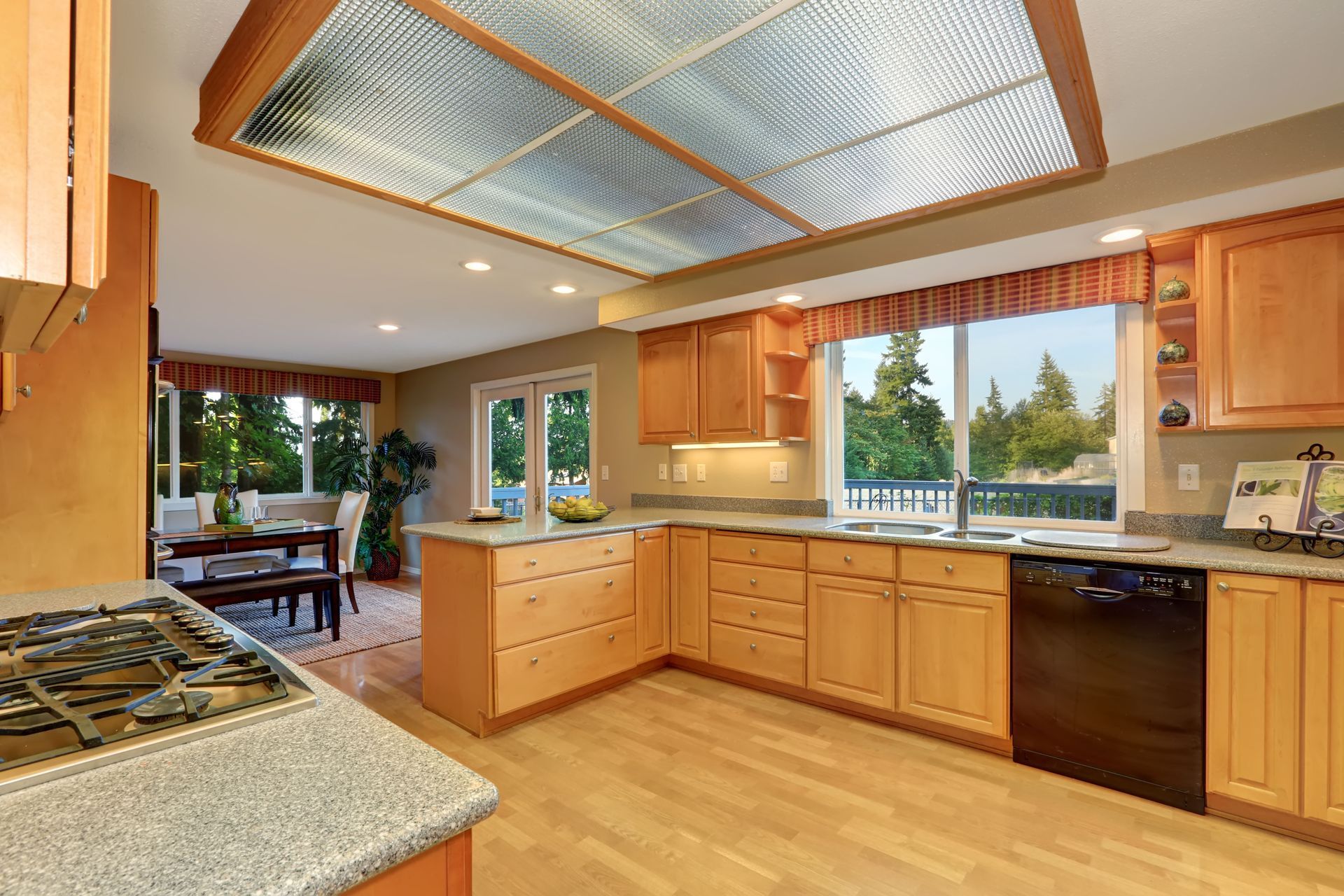
A comprehensive kitchen remodeling project can significantly enhance the functionality and aesthetics of your home. However, the process can also be quite complex and requires thoughtful planning and preparation. In this article, we delve into what homeowners can expect during a kitchen remodeling project, offering insights and tips to smoothly navigate each stage of the journey. By understanding each phase, homeowners can better plan their timelines and minimize potential setbacks. This journey can be rewarding, leading to a transformed space that aligns with the homeowner's vision and expectations.
Initial Planning and Design Phase
Setting Your Budget
Understanding costs and setting a realistic budget is crucial in the initial planning stage. Homeowners should begin by researching the average costs of materials and labor for kitchen remodels within their area. Awareness of these costs helps in making informed decisions about where to allocate funds. It's vital to include a buffer for unexpected expenses to avoid any stress later in the project. Being financially prepared can greatly ease the process and prevent overspending.
Defining Your Needs
Determining the primary goals and requirements for your kitchen involves assessing what you currently lack in your space. Think about the functionalities and features that will improve your kitchen's operational flow and your lifestyle. Homeowners should list priorities, whether it's additional storage, more counter space, or energy-efficient appliances. This list serves as a guide for design experts, ensuring the new kitchen aligns with personal and functional needs. A clear vision aids in directing the design process effectively.
Consulting with Design Experts
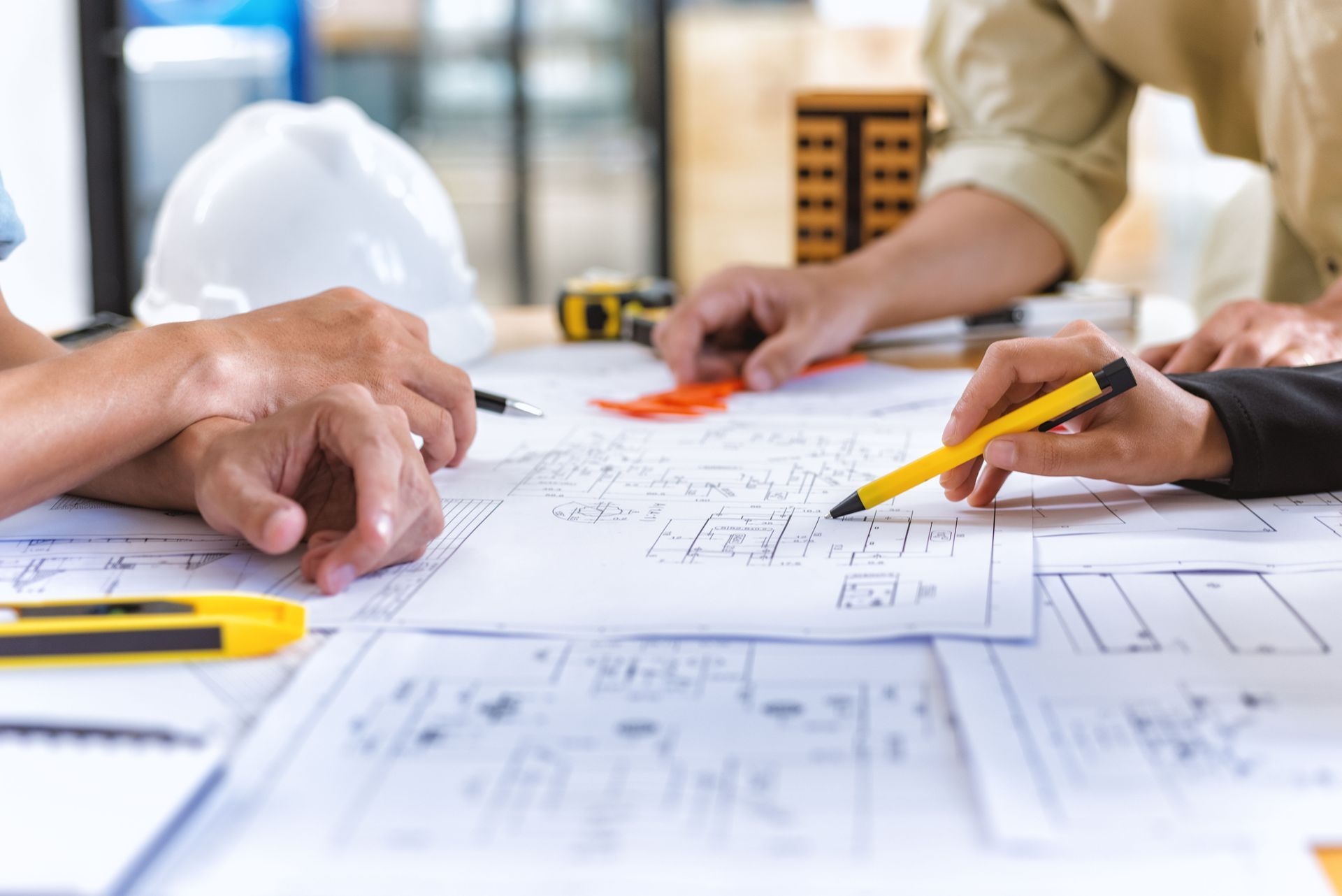
The role of designers and architects in your kitchen remodel can influence the quality and outcome of the project. Professional input helps in creating a balance between aesthetic appeal and practicality. Design experts contribute by maximizing your space's potential, offering innovative solutions and understanding structural limitations. Their expertise ensures that your vision is brought to life while adhering to safety codes and regulations. Collaborating with professionals often results in a more cohesive and polished final product.
Choosing a Style and Layout
Exploring design styles and deciding on the kitchen layout is an exhilarating part of the process. Whether opting for a modern, traditional, or eclectic style, it's essential to consider how the kitchen design integrates with the rest of the home. The layout should facilitate movement and accessibility, allowing for efficient use of space. Keeping in mind both style and functionality can result in a kitchen that is beautiful and practical. A well-organized layout contributes significantly to the overall experience of the space.
Securing Permits and Approvals
Understanding local regulations and obtaining necessary permits is a non-negotiable step in any remodeling project. Skipping this phase can lead to legal issues and potentially costly fines. It's important to consult with local authorities to understand what permits are required and ensure all applications are submitted timely. Discussing these requirements with your contractor can help streamline the process. Compliance with all regulations ensures a smooth transition to the construction phase.
Demolition and Site Preparation
Scheduling the Demolition
Coordinating timelines and preparing for demolition day is a critical part of the remodeling process. Homeowners need to synchronize their schedules with contractors to minimize disruptions. Proper planning during this phase can significantly impact the fluidity of the entire project. Ensuring clear communication about the demolition schedule helps everyone involved understand when to expect changes. Taking the time to prepare adequately can avoid unnecessary stress for the household.
Protecting Adjacent Areas
Steps to safeguard other parts of the home during demolition cannot be overlooked. Dust and debris from demolition can migrate to other areas, causing damage or requiring extensive cleaning. Using protective measures like plastic sheeting and covering floors can prevent unnecessary wear and tear. Taking preventive actions ensures the rest of the home remains unaffected by the construction activities. Prioritizing protection maintains the integrity of adjacent spaces.
Handling Waste Disposal
Arranging for efficient removal and disposal of debris is crucial to maintaining a clean and orderly worksite. Contractors usually manage waste disposal but it's good to confirm that their practices comply with local ordinances. Efficient waste management ensures that the site stays safe and organized, preventing construction delays. Advanced planning for debris removal also contributes to maintaining good relations with neighbors by minimizing disruptions. Proper disposal reflects a commitment to environmentally-friendly practices.
Assessing Structural Components
Evaluating the condition of walls, flooring, and other structural elements is essential before proceeding with new construction. This step ensures the integrity of the final install and helps identify any hidden issues early on. Structural assessments lead to informed decisions about necessary repairs or reinforcements. It’s an opportunity to address potential safety concerns, ensuring the longevity of the remodeled space. Taking the time to properly assess these elements can prevent future complications.
Preparing the Site for Construction
Ensuring the site is ready for the subsequent phases of the project involves detailed preparation. A clean and organized worksite facilitates faster construction and easier navigation for workers. Ensuring all necessary tools and materials are available can reduce downtime and keep the project on schedule. Preparing the site properly aids in transitioning smoothly to the construction phase. Thoughtful preparation supports an efficient and successful remodel.
Rough Construction and Plumbing
Installing Electrical Wiring
Planning electrical layout and installing wiring for appliances and lighting is foundational to a functional kitchen. A well-thought-out electrical plan ensures that the kitchen can support all new additions without compromising safety. Specialists confirm that the wiring meets the current load requirements and accommodate future needs. Attention to detail in this phase prevents overloading circuits and minimizes fire risks. Coordination with other contractors ensures seamless integration with plumbing and HVAC systems.
Updating Plumbing Systems
Reorganizing plumbing to suit the new kitchen layout is vital for maintaining functionality. This process often involves rerouting pipes, installing new fixtures, and ensuring efficient water flow. A thoughtful approach ensures that plumbing changes complement the new layout and improve usability. Plumbing updates not only enhance the kitchen's operation but can also lead to cost savings through more efficient water use. Careful planning reduces the likelihood of leaks and future water damage.
Handling HVAC and Ventilation
Ensuring proper ventilation and integrating HVAC systems is paramount for maintaining air quality. Incorporating adequate exhaust systems prevents the buildup of smoke and odors while cooking. Correct placement of HVAC components contributes to both comfort and energy efficiency. The integration of these systems ensures a comfortable cooking environment. Homeowners report increased satisfaction levels in well-ventilated kitchens, aligning with findings from the National Association of Realtors on Joy Scores.
Completing a kitchen remodeling project is a multifaceted endeavor that demands careful attention to detail at every stage. By understanding what to expect and preparing adequately for each phase, homeowners can ensure a smoother transformation. Ideally, the result will be a beautifully updated kitchen that not only meets aesthetic and functional goals but also enhances the overall value and comfort of the home. A well-executed remodel aligns with findings according to the National Association of Realtors, showing high joy scores for kitchen upgrades. Ultimately, the effort and investment lead to increased enjoyment and satisfaction in the home environment. Be sure to reach out to Canaan Companies today for more information on our professional kitchen remodeling services!